Type "no KYC casino Canada" into a search bar and you get pages promising you can play and cash out without ever showing ID. That promise doesn't survive contact with the terms and conditions. Every operator below holds a licence from Curaçao or Anjouan, and every one of those licences comes with anti-money-laundering duties. What you can realistically find is a crypto casino without verification at sign-up: an email, a password, a deposit address, and you're in. The document request comes later, if it comes at all, and the whole game is knowing when.
So this page ranks casinos by how late and how light their stated ID rule is. Not by how "anonymous" they are. None of them is.
What the label really covers
On a licensed crypto site, "no KYC" means three things at most. You don't upload a passport to open the account. You can deposit straight from a wallet without linking a bank. Small withdrawals often go out without anyone asking who you are.
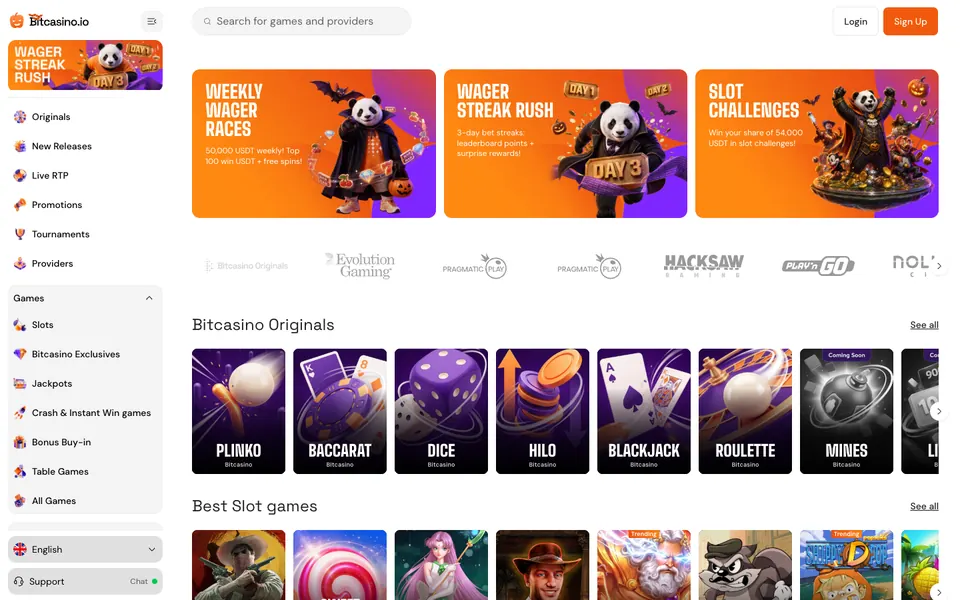
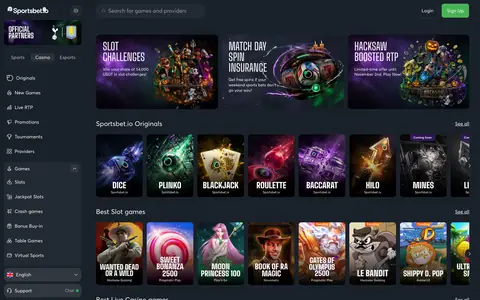
It does not mean the casino has waived its right to verify. The Sportsbet.io and Bitcasino.io terms (both published by EZ Spins Ltd. under an Anjouan licence) spell this out: ID may be requested at the first withdrawal or once deposits pass US$10,000, and the clauses let the operator hold a payout until checks are done. That's unusually transparent. Most sites say something vaguer, like "may be asked at withdrawal", which in practice gives the risk team full discretion.
When the request lands
From the rules these operators publish and the way review sites describe them, ID requests cluster around a handful of moments:
- Your first cash-out, at casinos whose rule is tied to it (KatsuBet, Mirax and Stake all sit here; Stake asks for level 2 verification before the first withdrawal).
- A cumulative deposit threshold, such as the US$10,000 line in the Sportsbet.io and Bitcasino.io terms.
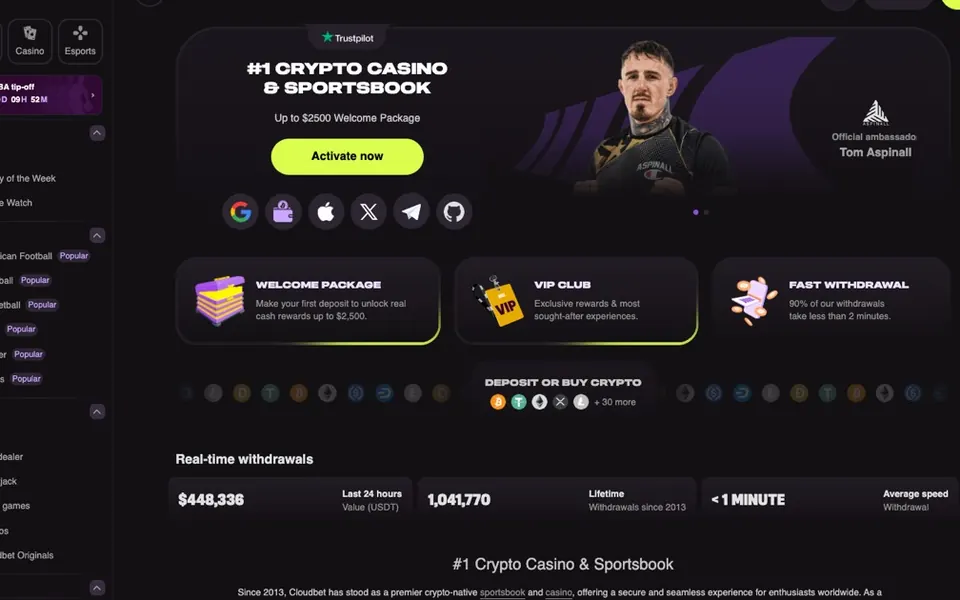
- A single large withdrawal, which is how Cloudbet's rule reads: usually only for large withdrawals or flagged accounts.
- A bonus claim followed quickly by a withdrawal request, since bonus abuse checks often double as identity checks.
- Any AML flag: deposits from a mixer, a wallet linked to a sanctioned address, several accounts on one device, or a login from a blocked region.
- A change of withdrawal address or coin that doesn't match your history.
The first three you can plan around. The last three can happen at any casino on this page, whatever its marketing says.
Six casinos, side by side
The wording in the second column is each operator's stated rule as we recorded it on 21 October 2026. Where a minimum isn't confirmed we say so rather than guess.
| Casino | Stated ID rule | Minimum withdrawal | Crypto payout time |
|---|
| Cloudbet | usually only for large withdrawals or flagged accounts | varies by coin – check cashier | minutes to a few hours |
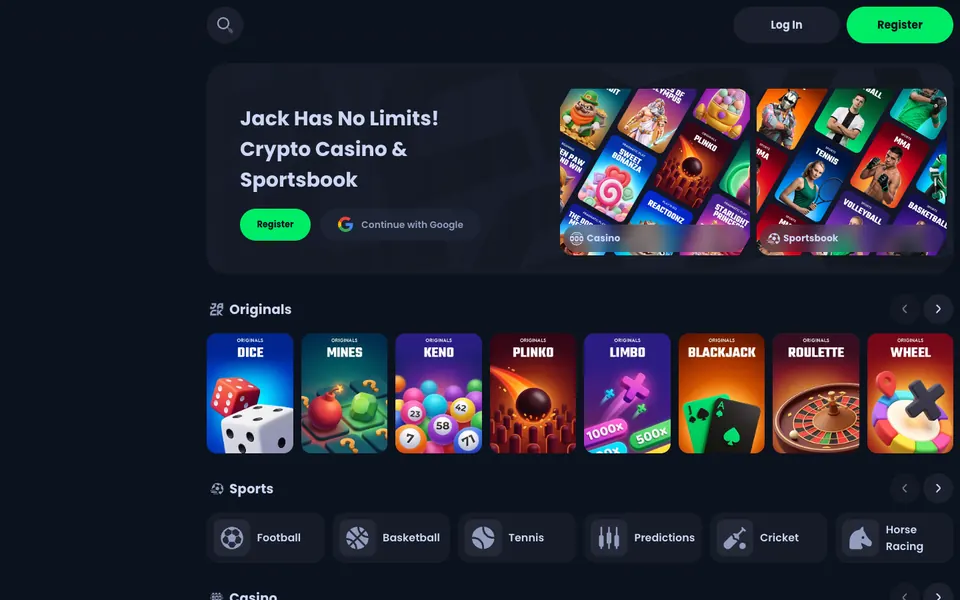
| Jack.com (Jackbit) | no KYC at sign-up; may be asked later | check cashier | instant (review claim) |
| Bitcasino.io | may be asked at the first withdrawal or after US$10,000 in deposits | 0.0005 BTC | usually within minutes for crypto |
| Sportsbet.io | may be asked at the first withdrawal or after US$10,000 in deposits | see Help Centre table – check cashier | usually within minutes for crypto |
| BitStarz | may be asked at withdrawal | ≈ C$50 (reported; check cashier for crypto) | ≈ 10 minutes for crypto (operator claim) |
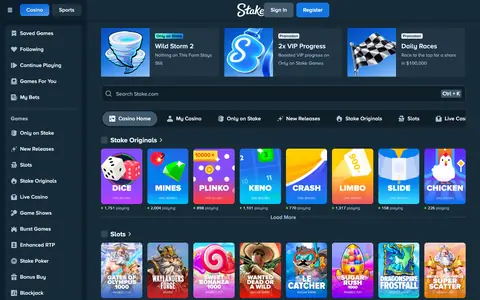
| Stake | level 2 ID before the first withdrawal | small per-coin minimum – check cashier | near-instant for crypto |
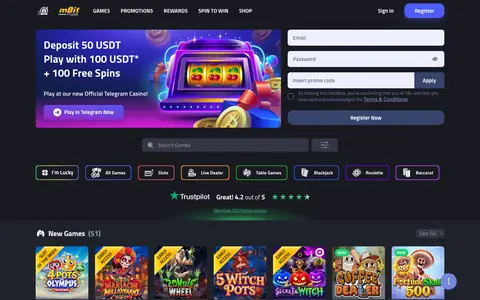
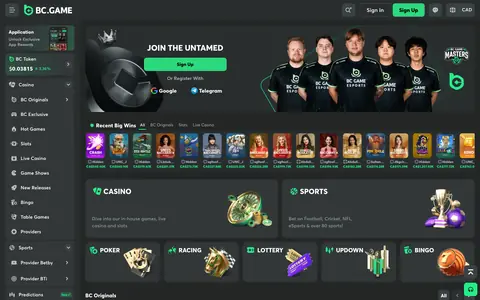
Cloudbet has the lightest stated rule of the group, and it's crypto-only, with fiat handled through a third-party on-ramp. Jack.com (the rebrand of Jackbit) says no KYC at sign-up and keeps the right to ask later; it takes deposits from about C$8 and pays out in crypto only. BitStarz uses the generic "may be asked at withdrawal" line, with a reported C$50 minimum. Stake sits at the bottom of this ranking for a simple reason: its level 2 check comes before you can withdraw anything, so you should expect it rather than hope to avoid it. BC.Game and mBit are in the listing above with the same caveat. Review sites disagree about how strictly BC.Game applies its check.
One more thing about all of them: Ontario and Alberta players are excluded. Ontario's regulated iGaming market doesn't allow crypto payments, and Alberta has run its own regulated market since 13 July 2026.
Documents to keep ready
When a request does arrive, it's almost always the same short pile. Having clean scans on your phone turns a three-day freeze into a same-day review.
- Government photo ID: passport or driver's licence, all four corners visible, not expired.
- Proof of address under three months old, such as a utility bill or bank statement showing the same name.
- A selfie holding the ID, or a short liveness check through the casino's verification partner.
- Sometimes, source of funds: an exchange statement showing where the bitcoin came from, or a payslip for large amounts.
Screenshots cropped at the edges, a Hydro bill in your partner's name, or a licence with an old address are the usual reasons a check bounces back.
How not to end up with a frozen withdrawal
The single best habit is boring: verify early. If you plan to play with real stakes, upload your documents the day you open the account, before there's a balance waiting. A request on an empty account costs you nothing. The same request on a pending 0.05 BTC payout costs you sleep.
Keep your name consistent everywhere. If you bought the coins on a Canadian exchange, that account is in your legal name, and a casino asking for source of funds will compare it with the name on your casino profile. A nickname at sign-up and a different name on the passport is exactly the mismatch that triggers a manual review.
Don't use a VPN to get around the terms. Every operator listed here closes Ontario and Alberta, and logging in through a server in another province or country is a breach of the rules. When the casino finds out, usually at withdrawal, it can void winnings, not just ask for ID. A VPN is fine for privacy where it's allowed; it is not a workaround for geography.
Two smaller points. Withdraw to the coin and network you deposited with, since a deposit sent on the wrong network is usually lost and a mismatched route raises flags. And read the bonus terms before accepting one; declining the bonus often keeps the account in the low-scrutiny lane.
Privacy on a public ledger
People searching for an anonymous bitcoin casino tend to overlook the obvious: bitcoin is not anonymous. Every transaction sits on a public ledger forever. If your wallet ever touched a Canadian exchange, that exchange verified you when you opened the account, because Canadian platforms are registered with FINTRAC and must collect ID. Anyone who links that exchange withdrawal to a casino deposit address can see the flow. Chain-analysis firms do this for a living, and casinos buy their services.
What a no-documents sign-up actually protects is narrower. Your passport scan isn't sitting on an offshore server. Your bank statement doesn't show a casino merchant. That has real value, but it's privacy from your bank and from data leaks, not invisibility.
Taxes are the other reality. Gambling winnings are generally not taxed for casual players in Canada, yet the CRA can treat disposing of crypto as a separate taxable event, so swapping coins that rose in value may create a capital gain. Keep your exchange records. That's not tax advice, just a reason not to delete the paper trail you might want later.
If the play itself stops feeling like entertainment, your province's problem gambling line is a free call, and no casino on this page will ask for ID before you dial it.
Questions players ask
Is there a crypto casino in Canada that never asks for ID?
Not among licensed operators. Their Curaçao or Anjouan licences carry anti-money-laundering duties, so each keeps the right to verify. What differs is timing: Cloudbet says it usually checks only large withdrawals or flagged accounts, while Stake requires level 2 verification before the first withdrawal. Treat any site claiming it will never verify you with suspicion, because that claim usually ends at the cashier.
Which documents do crypto casinos usually request?
A valid passport or driver's licence, proof of address dated within the last three months, and often a selfie or liveness check. For large amounts some operators also want source of funds, such as an exchange statement showing where your bitcoin came from. Make sure the name on every document matches the name on your casino account to avoid a second round of questions.
Can I use a VPN to play at these casinos from Ontario?
No. Every casino on this page excludes Ontario and Alberta, and connecting through a server elsewhere breaches their terms. The usual consequence shows up at withdrawal, when the operator can void winnings and close the account rather than simply ask for ID. Ontario players should use the province's regulated iGaming sites, which do not take crypto payments.
Does paying with bitcoin keep my gambling private?
Only partly. Your bank won't see a casino merchant, and no passport scan needs to sit on an offshore server at sign-up. But the bitcoin ledger is public, and Canadian exchanges verify every customer, so a transfer from your exchange account to a casino address can be traced. Think of it as privacy from your bank, not anonymity.